Spray Foam Elevate Solutions
Devonport spray foam removal

Spray foam removal in Devonport, done properly

Spray foam removal in Devonport is what we do every week, from Victorian terraces near Devonport Park to units off the dockyard approach. If foam was sprayed under your roof tiles or into a loft and your mortgage lender has flagged it, we take it out, clean the timbers and leave the roof space ready for a proper insulation spec. We cover PL1 and PL2, including Stonehouse, Keyham, Stoke and Ford.

4
Years serving Devonport
600+
Jobs completed locally
autumn damp-check season
Right now in Devonport

Devonport overview

Spray foam removal in Devonport from a crew that knows the streets

Why we work in Devonport

Devonport has a housing mix that creates steady demand for foam removal. The Victorian terraces around Devonport Park and Keyham Green were built with slate roofs and minimal ventilation, and when spray foam goes in under those tiles it seals the roof deck and stops it breathing. Add Plymouth's damp maritime climate and you get condensation, timber decay and insulation failure within a few winters. We also get a lot of calls from the military community around HMNB Devonport, where families are selling up and need a clean survey report fast. That mix of older stock, quick sales and lender scrutiny is exactly why we keep a crew working this side of Plymouth.

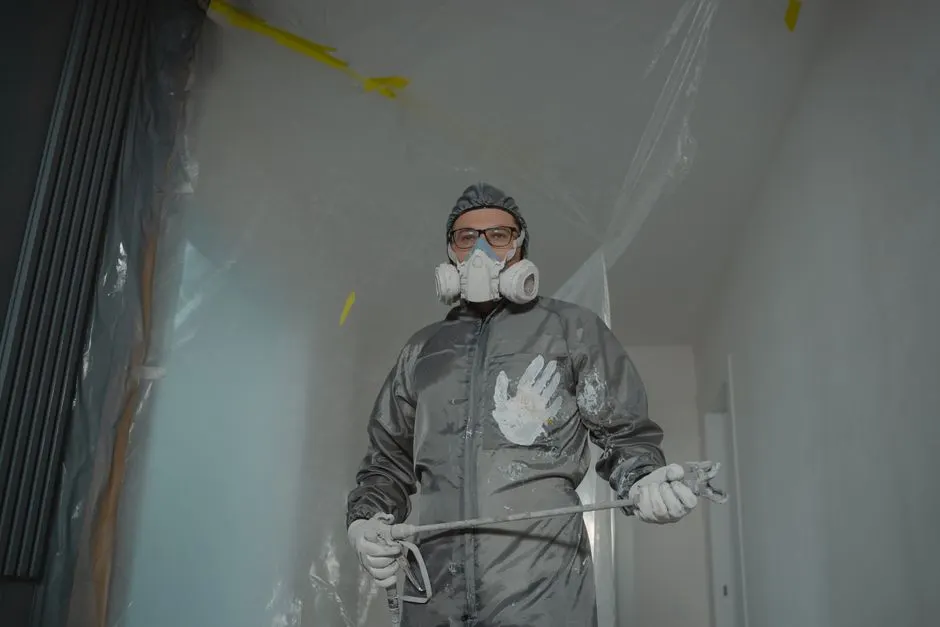
Local crews clearing failed foam from Plymouth homes and businesses

Spray foam removal in Devonport is a job that rewards local knowledge. This is a dense, mixed neighbourhood of Victorian terraces, post-war housing and dockyard-adjacent commercial units, and the foam problems here look different from what you find in Plympton or Sherford. Homes around Stonehouse, Keyham and Stoke were often insulated decades ago with polyurethane spray foam that has since cracked, shrunk or trapped condensation against the timbers. Lenders spot it at survey stage and hold up mortgages until it is gone. We have worked these streets since 2022, so we know which roof types, access routes and parking restrictions we are dealing with before we arrive. Our team uses dry ice blasting machines, industrial vacuums and hand tools to lift open cell foam and closed cell foam without tearing into the roof structure. We also fit vapour barrier and ventilation back into the loft once the foam is out. If you need spray foam removal Devonport homeowners can actually get booked, call us on 0175 290 5074.

Services available

Spray foam removal services across Devonport

Every property in Devonport is different, so we match the method to the building rather than forcing one approach. A loft in a Keyham terrace with open cell foam needs a different technique to a warehouse unit near the dockyard with thick closed cell foam on a steel roof deck. If you have been searching for spray foam removal near me Devonport and want a straight answer on what your roof needs, we will assess it and tell you honestly. Below are the services we run across PL1 and PL2.

How we work locally

How spray foam removal works in Devonport

Challenge: Narrow rear lanes and terrace parking in Keyham

Access is the biggest time factor on Devonport terrace jobs. If the van cannot get close, every bag of foam waste has to be carried further, which adds labour time and cost.

Solution: We check the access before quoting and, where needed, use a smaller van or park on the main road and run hose and cable. For long carries we bring extra labour so the job still finishes in the booked window.

Challenge: Slate roofs with no breathable membrane

Older Devonport roofs often have slate directly on battens with no membrane. Foam removal has to be careful, or the slates and battens can be disturbed and the roof starts leaking.

Solution: We work from inside the loft with hand tools and controlled dry ice blasting rather than heavy mechanical force. Battens and slates are checked as we go, and we flag any that need attention before we leave.

Where we work

StonehouseKeyhamStokeFordDevonport Park areaKeyham Green

Service area

Devonport

Latitude: 50.3728

Extract Directions

Recent projects

Recent project: 1

Keyham

Challenge

A Victorian terrace in Keyham had open cell foam sprayed between the rafters, and the buyer's lender refused the mortgage until it was removed.

Execution

We contained the loft, removed the open cell foam with saws and scrapers, and vacuumed the residue. The timbers were checked for damp and treated where needed, and we cleared the vents to restore airflow. The whole job took two days.

Impact

The lender accepted the removal report and the sale completed. The new owner has a breathable loft ready for a compliant insulation spec.

Recent project: 2

Dockyard approach, Devonport

Challenge

A small workshop unit near the dockyard approach had thick closed cell foam on a steel roof deck, causing condensation and dripping onto stored stock.

Execution

We used dry ice blasting to freeze and lift the foam from the steel, then ran industrial vacuums to clear the debris. Work was phased over three evenings so the business could keep trading during the day.

Impact

The condensation stopped and the roof deck was left clean. The owner booked us back to assess insulation for the rest of the unit.

A nurse wearing gloves shows a can of medical adhesive remover in a clinical setting.
Our track record
Our track record

What we see on Devonport jobs

Foam problems we find most

Since 2022 we have completed over 600 jobs across PL1 and PL2, and the pattern in Devonport is consistent. Loft foam in Victorian terraces is the most common call, usually after a survey flags it or a homeowner notices damp patches on the ceiling below. We also see a lot of cavity wall foam injected during retrofit schemes, which now causes mortgage refusal because it bridges the cavity. Closed cell foam on commercial roof decks near the dockyard is another regular job, often stripped in phases so the building stays open. In most Devonport lofts we find foam covering 70 to 90 percent of the rafter run, with condensation staining on the timbers behind it. Removing it properly restores the roof's ability to breathe and gives surveyors the clean result they need.

600+
Devonport jobs completed

Local questions

How much does spray foam removal cost in Devonport?

Most Devonport loft jobs run from 1,200 to 3,500 pounds in 2026, depending on foam type, coverage and access. Cavity wall foam is usually priced per metre and ranges from 900 to 2,500 pounds for a typical terrace. Commercial roof deck work is quoted after a site visit. We give a fixed price before we start.

Who is the best spray foam removal company in Devonport?

The best company is one that explains the method, checks the timbers and provides a report your lender will accept. We have worked Devonport since 2022 and completed over 600 jobs across PL1 and PL2. Ask any contractor what happens after removal, not just what they charge.

Is spray foam removal near me available in Devonport?

Yes, we cover the whole Devonport area including Stonehouse, Keyham, Stoke and Ford. Same-day slots are often possible if you call before midday. Our 24/7 line handles urgent leaks and pre-completion emergencies across PL1 and PL2.

Trust and credentials

Licensed and compliant in Devon

Foam removal touches your roof structure, your mortgage and your waste disposal, so the paperwork matters as much as the work. We carry full public liability insurance and employer's liability cover, and we work to Building Regulations Part C when restoring ventilation and moisture resistance. Our technicians hold relevant City and Guilds and NVQ qualifications in insulation and related trades. We are also members of recognised contractor schemes, which means our methods and safety processes are audited. For Devonport homeowners, that means a job that stands up to lender scrutiny and a clean audit trail for waste disposal.

Public liability insurance for insulation and removal work
Employer's liability insurance
City and Guilds insulation qualification City and Guilds
When To Call

Signs you need spray foam removal in Devonport

Foam problems rarely fix themselves, and in Devonport's damp climate they tend to get worse each winter. If you have noticed any of the signs below, it is worth getting an assessment before the next survey or sale. Searching for spray foam removal near me Devonport usually means one of these has already shown up.

1. Damp patches on ceilings below the loft

Foam that blocks ventilation traps moisture against the roof timbers, and it eventually shows as staining or damp on the ceiling below. In Devonport terraces this often appears after a wet winter. It will not dry out on its own while the foam is in place.

2. Condensation on roof timbers or felt

If you can see water droplets or dark staining on the rafters, the roof space is not breathing. Closed cell foam makes this worse because it seals the deck completely. Left alone, the timbers start to decay.

3. Mortgage valuation flagged spray foam

Lenders treat spray foam as a risk when it is applied under a roof. A survey report will usually require removal before funds are released. Acting early keeps your sale on schedule rather than delaying it at the last minute.

4. Musty smell in the loft or upstairs rooms

A persistent musty smell usually means trapped moisture and early mould growth. In Devonport's coastal air this can develop quickly. Removing the foam and restoring airflow is the fix, not masking the smell.

5. Foam cracking, shrinking or pulling away

Older foam can shrink and crack as it ages, which breaks the seal and lets moisture in behind it. Once it is failing, it is no longer insulating properly and should come out before it damages the structure.

Local Problem Patterns

Common spray foam problems in Devonport

Devonport's housing stock and coastal climate create a predictable set of foam problems. The terraces around the park and Keyham were built before modern ventilation standards, and Plymouth's damp air means any trapped moisture shows up fast. If you need spray foam removal Devonport homeowners can trust, these are the issues we deal with most often.

Foam sealing the roof deck and blocking ventilation

Why it happens here

Victorian terraces in Devonport were built with slate roofs and no breathable membrane. When foam is sprayed under the tiles it seals the deck, so moisture from inside the house cannot escape and condenses on the timbers.

Our approach

We remove the foam, clear the vents and check the vapour barrier is on the warm side. That restores the roof's ability to breathe and stops the condensation cycle.

Cavity wall foam bridging the gap and causing damp

Why it happens here

Foam injected into a cavity can bridge the gap between the inner and outer leaf, letting damp travel through. This is common in Keyham and Ford, where retrofit schemes used cavity foam years ago.

Our approach

We remove the foam from the cavity, check for any damage to the ties and advise on a breathable alternative that will not cause the same problem again.

Timber decay hidden behind closed cell foam

Why it happens here

Closed cell foam bonds hard to rafters and traps moisture against the wood. By the time damp shows on the ceiling, the timber behind the foam may already be soft. Devonport's wet winters speed this up.

Our approach

We strip the foam and inspect every rafter. Any decayed timber is treated or replaced before the loft is reinsulated, so the structure is sound before we finish.

Mortgage refusal delaying a sale

Why it happens here

Lenders see spray foam under a roof as a risk because of the condensation and decay issues above. A valuation report will usually require removal before the loan is approved, which stalls the sale.

Our approach

We prioritise pre-completion jobs in Devonport and provide a clear removal report for your lender. That gives the surveyor what they need to sign the property off.

Local Pricing

Spray foam removal costs in Devonport

Typical 2026 pricing for spray foam removal in Devonport runs from around 1,200 to 3,500 pounds for a standard loft, depending on the foam type, coverage and access. Closed cell foam bonded to rafters sits at the higher end because it takes longer to remove. Cavity wall foam is usually priced per metre and can range from 900 to 2,500 pounds for a typical terrace. Commercial roof deck jobs are quoted after a site visit. We give you a fixed price before we start, so there is no hourly creep. If you want affordable spray foam removal Devonport Devon homeowners can budget for, call and we will talk through the numbers.

Availability in Devonport: We run standard appointments Monday to Saturday across Devonport, with early slots for survey deadlines. Same-day spray foam removal is often possible if you call before midday. Our 24/7 line covers urgent leaks and pre-completion emergencies in PL1 and PL2. Call 0175 290 5074 and we will tell you the earliest realistic slot.

1

Foam type and thickness

Open cell foam is quicker to remove than closed cell foam, which bonds hard to timber and steel. Thicker layers take longer and produce more waste, which affects both labour and disposal costs on Devonport jobs.

2

Access and parking

Terraces in Keyham and around Devonport Park often have narrow rear lanes. If the van cannot park close, every bag of waste has to be carried further, which adds labour time to the quote.

3

Timber condition

If foam has trapped moisture and caused decay, the timbers need treating or replacing before the loft can be reinsulated. We check this during the assessment so the price you get covers the full job.

Year-Round Coverage

How Devonport's seasons affect foam removal

Plymouth's coastal climate means mild, wet winters and damp air most of the year. That shapes when foam problems show up and when removal is most urgent. If you are looking for spray foam removal near me Devonport, the season often explains why you are noticing it now.

Spring

Spring is when damp patches from the winter start to show on ceilings and timbers. Foam that trapped moisture over the wet months becomes obvious now, and survey season picks up as sales restart.

Tip

Book an assessment in spring if you saw any damp over winter. Getting the foam out before summer gives the timbers time to dry.

Summer

Summer is the easiest time to work in lofts, with better access and faster drying. It is also when buyers are most active, so lender-driven removals peak between June and August in Devonport.

Tip

If you are selling in autumn, book your removal in summer. It keeps the sale on track and avoids last-minute delays.

Fall

Autumn rain and falling temperatures bring condensation back. Foam that looked fine in summer starts showing damp again, and we get a rise in calls from Devonport terraces as the heating goes on.

Tip

Check your loft before the heating is running full time. Catching condensation early prevents timber decay over winter.

Winter

Winter is when foam problems are most visible and most urgent. Condensation, damp stains and musty smells all worsen, and leaks caused by trapped water can appear during storms.

Tip

Call us if you spot a leak or new damp patch. Our 24/7 line covers urgent Devonport jobs through the winter months.

Hiring Smart

What to ask before hiring a foam removal contractor

Not every contractor who offers foam removal in Devonport does it properly. The wrong method can damage slates, spread dust through the house or leave the roof structure in worse condition. These are the questions worth asking before you book anyone.

  1. 1

    "What method will you use to remove the foam?"

    Why it matters

    The right method depends on the foam type. Dry ice blasting suits hard bonded closed cell foam, while open cell foam often lifts with hand tools. A contractor who cannot explain the difference may damage your roof.

  2. 2

    "Do you check the timbers for decay after removal?"

    Why it matters

    Foam often hides damp and rot. A proper job includes inspecting the rafters and treating any decay before the loft is closed up. Skipping this step leaves a problem that will come back.

  3. 3

    "Will you provide a report for my mortgage lender?"

    Why it matters

    If your sale depends on the removal, the lender needs documentation. Ask what the report covers and whether it will satisfy a surveyor. This is one of the most common reasons Devonport sales stall.

  4. 4

    "How do you handle access and parking?"

    Why it matters

    Devonport terraces have narrow lanes and limited parking. A contractor who has not planned for this will lose time carrying waste, and that cost usually ends up in your quote or your schedule.

  5. 5

    "What happens to the foam waste?"

    Why it matters

    Spray foam is not general rubbish. It has to be bagged and disposed of through licensed routes. Ask for confirmation, especially if you need a clean audit trail for a lender or buyer.

Knowing the Area

Getting around Devonport on the job

Devonport is easy to navigate once you know it, and the landmarks help. We use HMNB Devonport as our main orientation point for the northern streets, Devonport Park for the terraces around the park, and Plymouth Albion RFC for jobs towards Keyham Green. Parking is the real constraint, so we plan where the van sits before we load up. Most jobs are within a few minutes of each other, which is why we can often fit two Devonport visits into one day.

Landmarks

  • HMNB Devonport

    The naval dockyard is the anchor point for the northern part of the area. We use it to orientate jobs around Keyham and the dockyard approach, and it explains the steady flow of military families needing quick survey-ready removals.

  • Devonport Park

    The park sits among some of the oldest terraces in the area. Jobs around here are usually loft foam removals in Victorian housing, and the surrounding streets are tight for parking, so we plan access carefully.

  • Plymouth Albion RFC

    The rugby ground is a useful marker for the Keyham Green side of Devonport. We get a lot of calls from the family housing around there, often for cavity wall foam that has caused damp on the inner leaf.

Commercial Districts

  • Dockyard approach units

    Small industrial and workshop units near the dockyard approach regularly need closed cell foam stripped from roof decks and wall panels. We usually work these in phases so the business keeps trading.

  • Local high street and workshops

    The neighbourhood high street and back-street workshops generate steady demand for commercial foam removal. Typical jobs are roof void foam and wall panel foam, often booked outside normal trading hours.

Transport & Access

  • Devonport railway station

    Useful for jobs where parking is tight, as we can park nearby and carry kit a short distance to the property.

  • A38 Devon Expressway

    Our main route in and out of Plymouth, which keeps travel time to Devonport predictable for booked slots.

!

Get spray foam removal in Devonport booked today

If foam is holding up your sale or causing damp in your Devonport home, we can help. We have worked PL1 and PL2 since 2022, we give fixed prices before we start, and we leave a report your lender can use. Call 0175 290 5074 or send us a message and we will tell you the earliest slot. Same-day and 24/7 cover is available across Devonport.

Get a quote
Call Now: 0175 290 5074