Warehouse Spray Foam Removal in Plymouth, done properly
Warehouse Spray Foam Removal in Plymouth is what we do across Devon, and it starts with a proper look at what is actually up there. If your roof void is full of polyurethane spray foam that has cracked, gone brittle or trapped condensation, we take it out, clean the timbers and leave the building ready for a new insulation spec. We work on occupied units, so your operation keeps running.
Service overview
What Warehouse Spray Foam Removal in Plymouth involves
Warehouse Spray Foam Removal in Plymouth is the controlled stripping of sprayed polyurethane insulation from roof decks, purlins, rafters and wall cavities, followed by cleaning and inspection of the substrate underneath. On a typical Plymouth unit the foam was applied years ago as a cheap thermal fix, and it has since gone brittle, cracked along the ridges and started holding water against the timber. We remove it with a mix of dry ice blasting, mechanical cutting and industrial vacuum extraction, then treat and document what we find. Most of the warehouses we see in Devon were foamed between the late 1990s and the 2010s, often with open cell foam that has since soaked up moisture. That is when the phone starts ringing: condensation dripping onto stock, a mortgage lender refusing to lend until the foam is gone, or a surveyor flagging timber decay behind the insulation. If you have been searching warehouse spray foam removal near me Plymouth and getting vague answers, we will tell you exactly what is involved, how long it takes and what it costs before anyone touches your roof.
! Common warning signs
Condensation dripping onto stock and racking
Wet pallets, damaged goods and a building that never dries out. Left alone, the moisture works into the timber and the roof structure starts to decay from the inside.
Mortgage lender refusing to lend on a foamed roof
Sales stall, chains collapse and you lose buyers. Surveyors flag spray foam on roof decks as a defect because it hides the timber and traps moisture, and most lenders will not proceed until it is removed.
Timber decay hidden behind closed cell foam
Rotten rafters and purlins are a structural problem, not a cosmetic one. Once the foam is holding water against the timber, decay spreads along the grain and can reach the load-bearing sections before anything shows on the surface.
Scope of work
What our warehouse foam removal covers
Every warehouse spray foam removal job includes the survey, the removal, the waste and the reporting. What it does not include is the new insulation, because that depends on what you want to achieve once the roof is clear. We can quote that separately or as part of the same sequence.
-
01
Full site survey and report
We attend your Plymouth warehouse, access the roof void and identify the foam type, thickness and coverage. You get a written report with photographs, a recommended removal method and a fixed price, usually within 48 hours of the visit. No obligation to proceed.
-
02
Contained foam removal
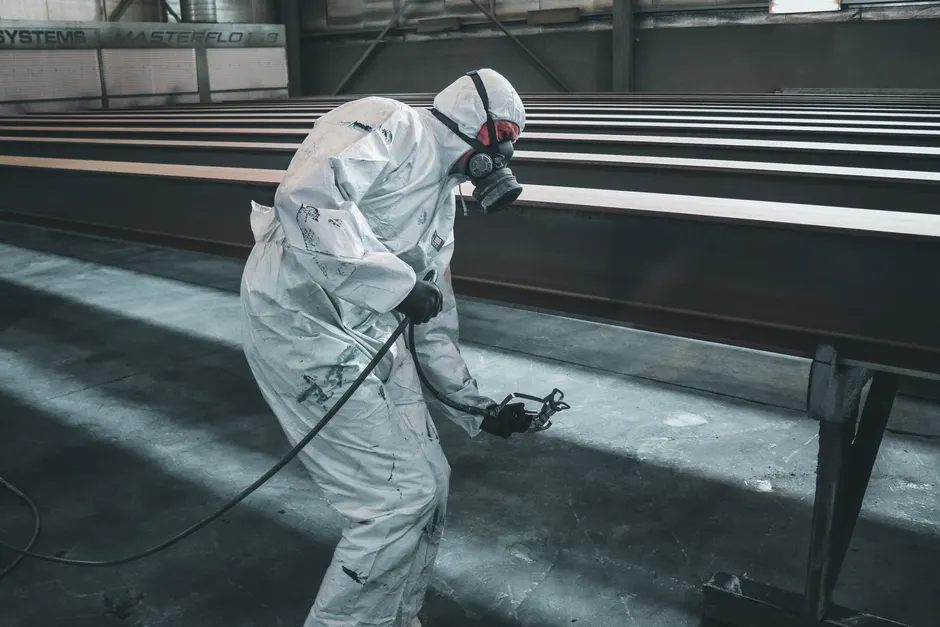
We sheet off the work zone, run negative-pressure extraction and strip the foam using dry ice blasting, saws and scrapers. Every operative wears protective clothing and respirators. Dust stays inside the containment, and your stock, racking and forklift routes stay clear.
-
03
Timber inspection and treatment
With the foam gone we inspect every rafter, purlin and roof deck for timber decay, condensation staining and roof damage. Anything suspect is photographed and reported the same day. Where treatment is needed we apply it before any new insulation goes in, so nothing is covered up twice.
-
04
Waste removal and handover
We vacuum the void, bag all foam and debris, and remove it through a licensed waste route. You receive a photographic record of the finished roof deck plus a written summary of the condition we found and any recommendations for the new insulation spec.
Why clear the foam instead of leaving it
Failed spray foam does not sit still. It traps moisture, hides rot and blocks the ventilation your roof was designed to have. Removing it puts you back in control of the building.
Book a surveyTools and methods we use
Dry ice blasting machine
Freezes spray foam so it fractures off roof timbers without gouging the surface. Our main method for open cell and most closed cell foam on warehouse roof decks, and it leaves the substrate clean enough to inspect immediately.
Industrial vacuum and negative-pressure extraction
Captures airborne dust and foam particles at the source. We run extraction throughout the job so dust stays inside the containment zone and your stock, racking and machinery stay clean.
Spray foam removal tools
Saws, scrapers and specialist cutting blades for thicker closed cell foam and awkward corners around purlins, wall plates and roof lights. Hand tools finish the areas where blasting cannot reach.
Protective clothing and respirators
Full PPE for every operative on site, including respirators rated for isocyanate dust. Foam removal is dusty work, and we do not cut corners on protecting the people doing it or the building they are working in.
Local execution
Plymouth sits on the coast, and that matters for spray foam. The damp maritime air, combined with the temperature swings we get through autumn and winter, is hard on foam that was applied years ago. Foam that was fine in a drier part of the country goes brittle and cracks here, and once it cracks it starts holding water against the timber. Most of the warehouses we work on were built between the 1960s and the 1990s, with shallow-pitch roof decks and limited ventilation, which is exactly the construction that suffers worst when foam seals the eaves. We also see a lot of units around the docks and the older industrial estates where access is tight and the roof void is full of services. That is why we survey every job in person before quoting, and why we phase the work bay by bay on occupied sites. If you need warehouse insulation removal Plymouth Devon wide, we cover the city and the surrounding area from one base.
How warehouse foam removal runs in Plymouth
- • Cattedown
- • Estover
- • Devonport
- • Plympton
Before and after
Same-day response across Plymouth when foam fails
When foam starts causing damage, we answer
If foam is falling onto stock or water is coming through a foamed roof deck, call us on 0175 290 5074 and we will get someone out the same day where the diary allows. For active water ingress we make safe, contain the area and stop the immediate problem, then schedule the full removal once you have seen the findings. Our crews run with dry ice blasting equipment, industrial vacuums, containment sheeting and full PPE on board, so we can start work on arrival rather than waiting for a second visit. A typical warehouse job runs three to eight working days depending on roof area and foam type, and we work nights and weekends if your operation needs it. If you need warehouse spray foam removal Plymouth wide, we cover the city and the surrounding Devon area from one base.
How a warehouse foam removal job runs
Site survey
We attend your Plymouth warehouse, access the roof void and check the foam type, thickness and coverage. Open cell foam comes away differently to closed cell, and Isothane and BASF foams behave differently again. You get a written report with photographs, a removal method and a fixed price within 48 hours.
Method statement
Before we start you receive a method statement and risk assessment covering access, containment, extraction routes and working hours. If your unit is occupied we agree which bays we work in and when, so your forklifts and staff keep moving. Most warehouse jobs run over three to eight working days depending on roof area.
Containment and stripping
We sheet off the work zone, set up negative-pressure extraction and start removing foam with dry ice blasting machines, saws and scrapers. Dry ice freezes the foam so it fractures off the timber without gouging it. Every operative wears protective clothing and respirators, and the industrial vacuum keeps airborne dust to a minimum.
What warehouse foam removal costs
Typical 2026 pricing in Plymouth runs from around £2,800 for a small unit to £14,000 for a large closed cell roof deck with difficult access. The survey and fixed quote are free, and the price we give you covers removal, extraction, waste disposal and photographic reporting. What drives the number is roof area, foam type and how easy it is to get equipment and extraction into the void.
Roof area and foam thickness
The single biggest factor. A 500 square metre roof with 50mm of open cell foam is a very different job to a 2,000 square metre deck with 100mm of closed cell. We measure the actual coverage on site rather than estimating from a floor plan.
Foam type and adhesion
Open cell foam comes away relatively easily with dry ice blasting. Closed cell foam is rigid, glued hard to the substrate and often needs mechanical cutting as well, which adds labour time. Isothane and BASF closed cell foams are among the toughest we deal with.
Access and occupancy
Tight access, high roof voids, services running through the work zone and occupied buildings all add time. We phase work around your operation, which is slower than an empty building but means you keep trading. We agree the phasing before we quote.
Warehouse foam removal questions
How much does warehouse spray foam removal cost in Plymouth?
Most Plymouth warehouse jobs run between £2,800 and £14,000 depending on roof area, foam type and access. A 500 square metre open cell roof typically lands around £4,500 to £6,500, while a 2,000 square metre closed cell deck with poor access can reach £14,000. The survey and fixed quote are free, and the price covers removal, extraction, waste disposal and photographic reporting.
Can you remove spray foam from my warehouse in Plymouth Devon?
Yes. We remove open cell and closed cell spray foam from warehouse roof decks, purlins, rafters and wall panels across Plymouth and Devon. Dry ice blasting handles most foam types without damaging the timber underneath, and mechanical cutting covers the thicker closed cell sections. We work on occupied units and can phase the job bay by bay if you need to keep trading.
Is warehouse spray foam causing damp in Plymouth?
Often, yes. Spray foam applied across a roof deck seals the ventilation path, so moisture from the building condenses on the cold underside of the sheets and drips onto stock. Closed cell foam makes it worse because it traps that moisture against the timber. Removing the foam, reinstating ventilation and fitting a proper vapour barrier is the fix, not just drying the floor.
Is warehouse spray foam removal covered by insurance in Plymouth?
It depends on your policy and why the foam is being removed. If the foam was installed incorrectly and is causing water damage or timber decay, some commercial policies will contribute to the removal as part of a valid claim. We provide a full photographic report and written findings that you can submit to your insurer. Check your policy wording first, then call us on 0175 290 5074.
Related services
Spray Foam Removal near me
If you are searching for spray foam removal near me in Plymouth, this is the same crew and the same kit that handles our warehouse work. We cover lofts, roofs, cavity walls and commercial units across Devon, with the same fixed-price survey and photographic handover pack.
Same day Spray Foam Removal
When foam is falling onto stock or water is coming through a foamed deck, same day spray foam removal in Plymouth gets someone to your site quickly. We make safe, contain the problem and stop further damage, then schedule the full removal once you have seen the findings.
Book your Warehouse Spray Foam Removal in Plymouth
We survey, quote and remove spray foam from warehouses across Plymouth and Devon, with fixed pricing and a photographic handover pack your lender will accept. Call 0175 290 5074 or book a survey online and we will come and look at your roof.